Outreach Program
Through education, engagement, and collaboration, RCWD’s mission is to increase awareness and engagement in both private and public entities like lake associations, cities, businesses, homeowners, counties, and more about the importance of watershed management. We want to inspire action to protect our water resources for future generations.
Outreach Program Goals
Key components include:
- Educational Materials: Developing materials for all District Programs to inform the public about watershed issues, including newsletters, annual reports, and information sheets on projects.
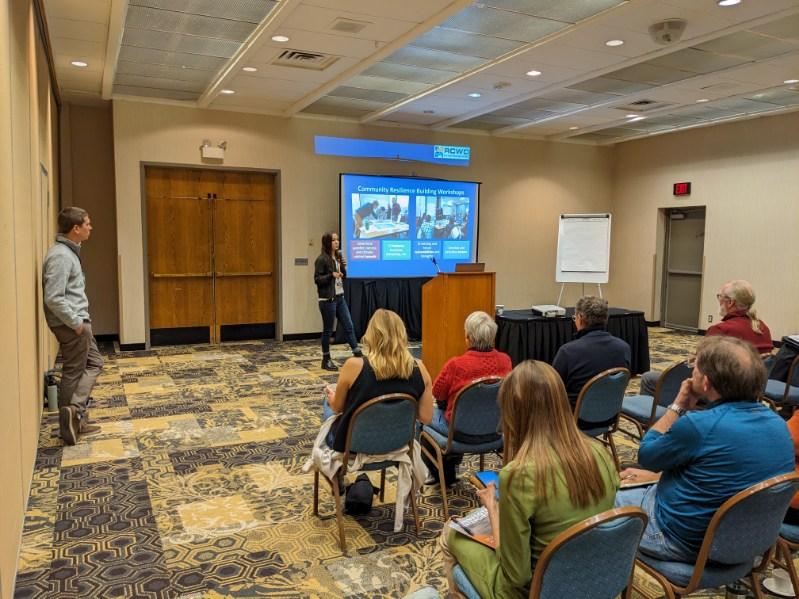
- Public Speaking Events: Participating in speaking engagements to raise awareness about the District’s work and its importance.
- Media Campaigns: Utilizing various media channels to disseminate information and promote engagement.
- Collaborative Programs: Partnering with organizations like the East Metro Water Resource Education Program, Blue Thumb, and Metro Watershed Partners to enhance outreach efforts.
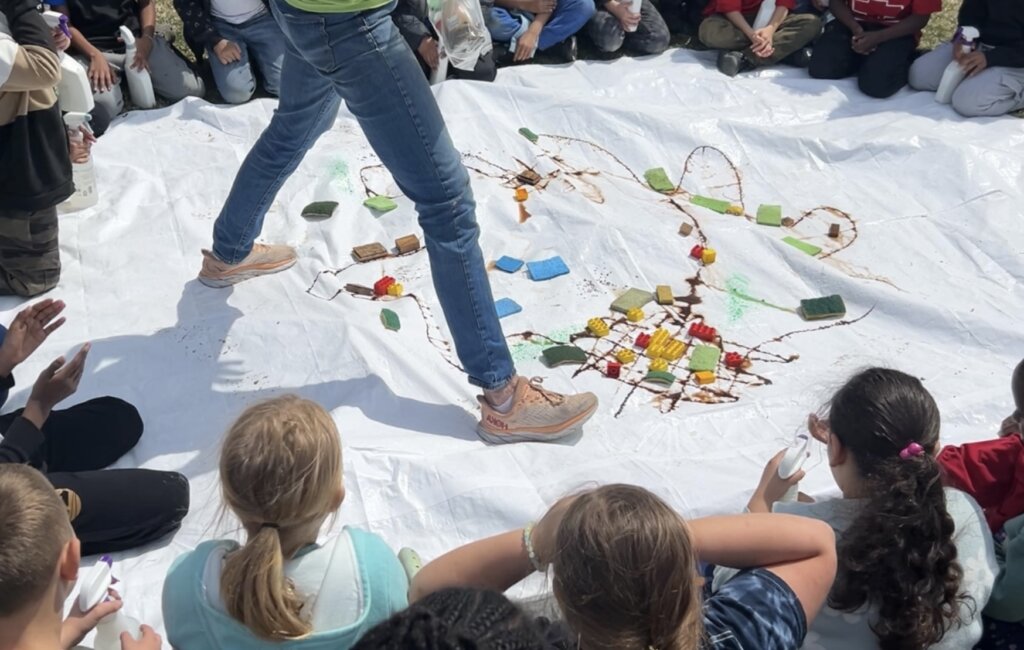
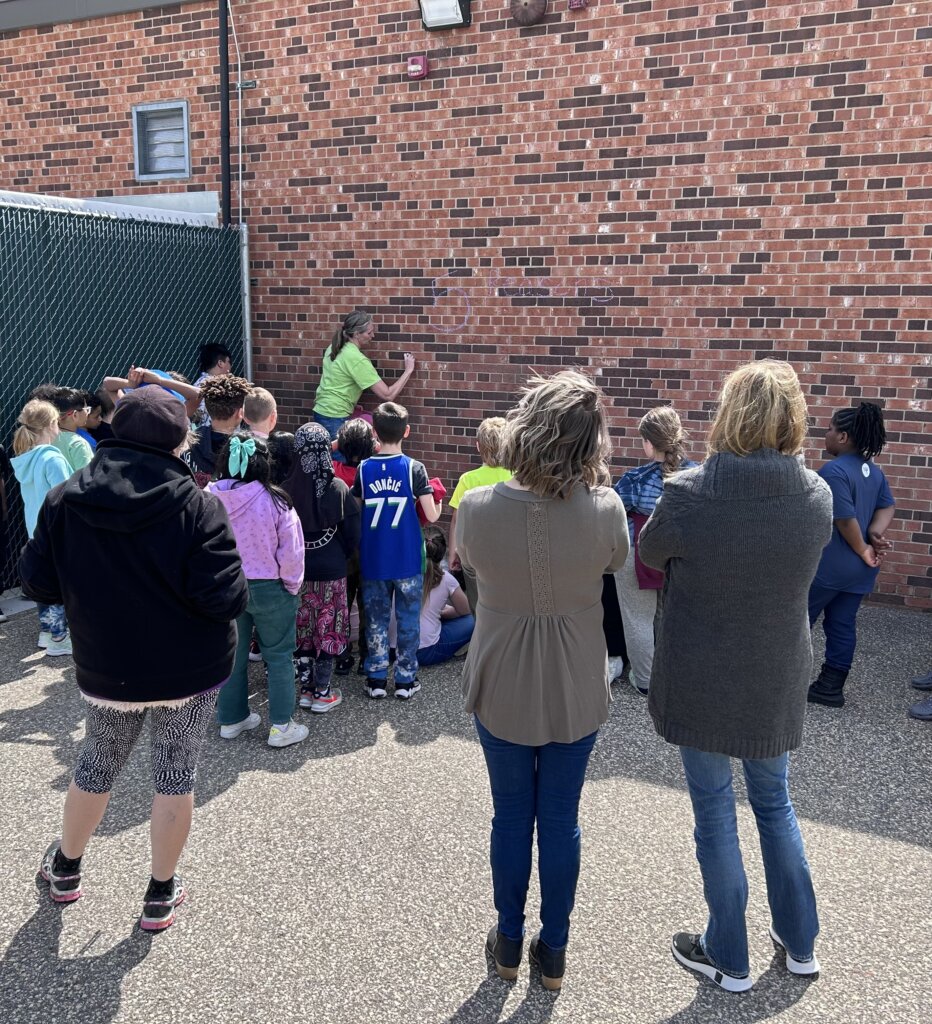
- Stormwater Education: Meeting stormwater education requirements under the MPCA NPDES MS4 General Permit by educating the public about stormwater management practices.
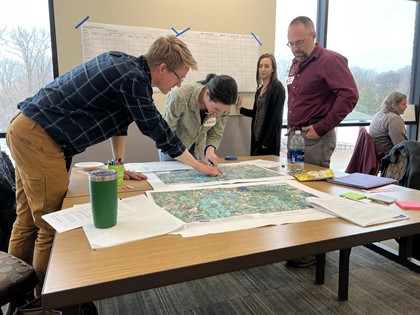
- City/County Partner Meetings: Holding regular meetings with city and county partners to discuss issues, share information, and increase collaboration.
- Citizen Advisory Committee: Engaging private citizens, businesses, and local/state/federal agencies through these committees to inform them about resource management issues and District activities.
The program addresses various primary issues such as adequate outreach resources, education opportunities, and collaborations with local, state, and federal partners. Goals include continuing collaboration through project implementation, outreach programs, and city/county partner meetings to further the District’s mission.
Project Outreach and Communications
Communicating to the public about projects the District is implementing is a large component of the outreach program. Communicating the reason why the projects are being implemented, having public meetings, information about the project’s benefits, and more are all covered.
You can learn about RCWD projects on our Projects page.
Programs and Events
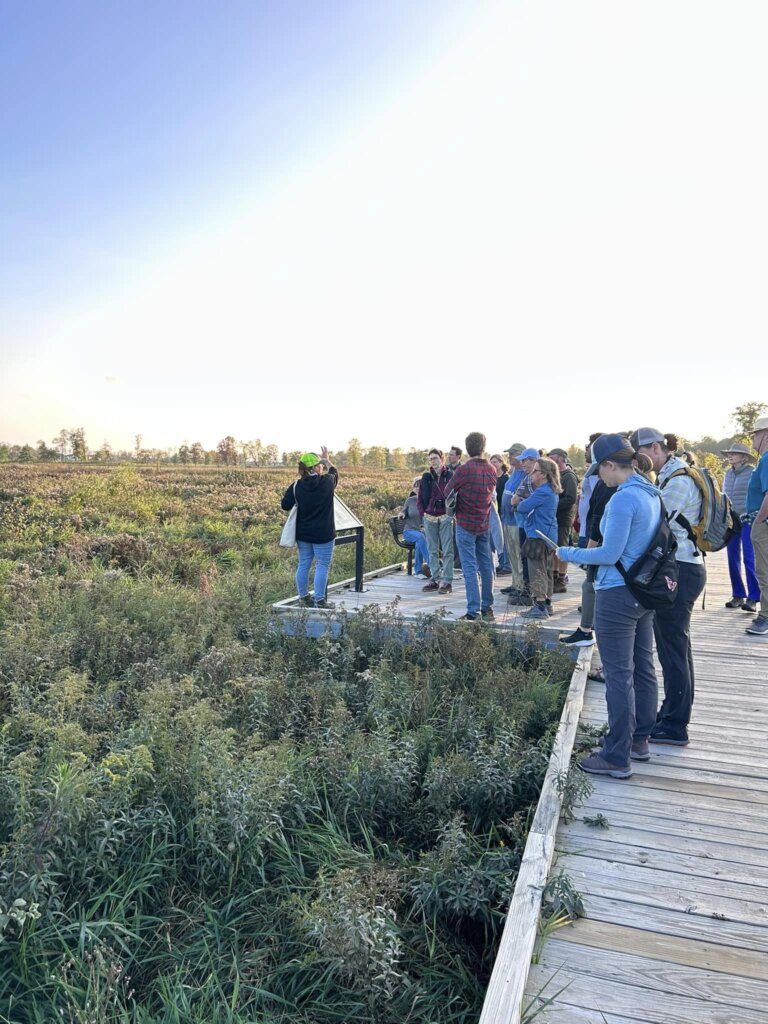
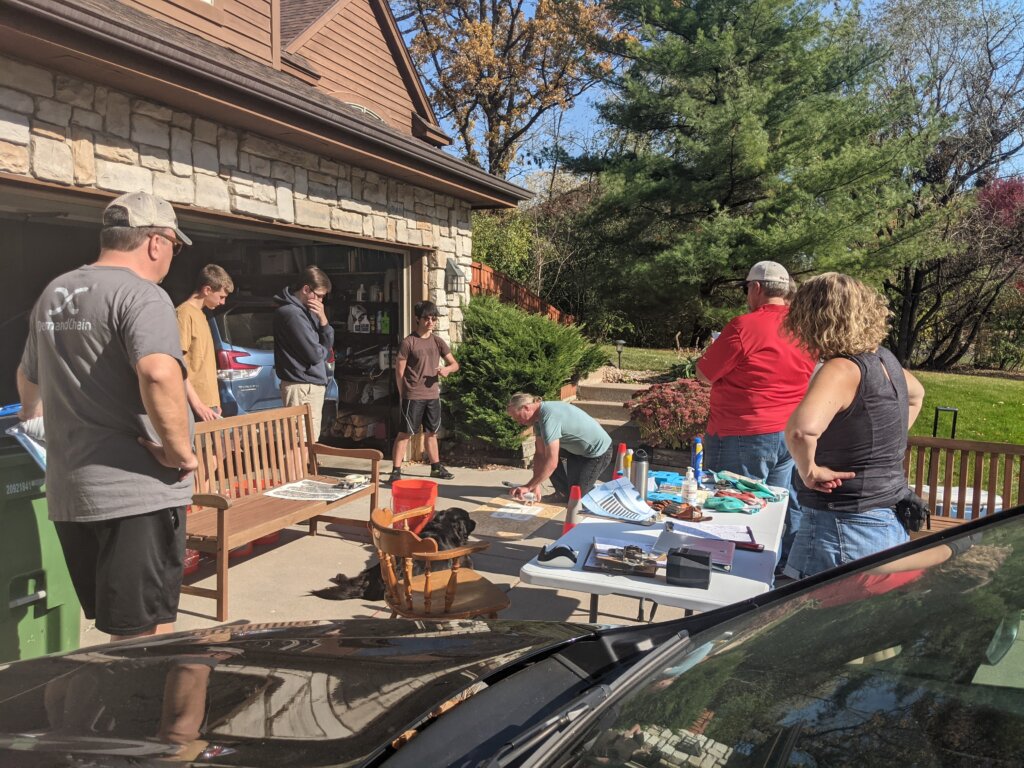
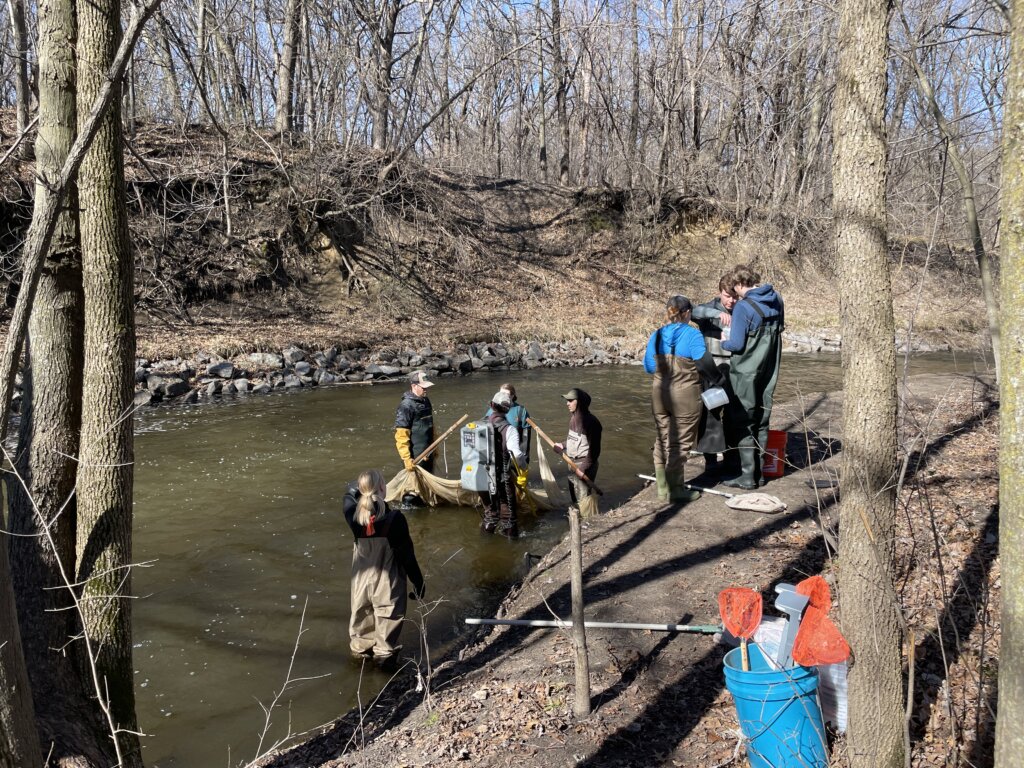
Check the RCWD Events Page for Outreach events, meetings, workshops, and other activities RCWD does around the watershed.
- Calendar of upcoming events, workshops, and educational programs. RCWD Events
News
News articles highlighting various District accomplishments, projects, and outreach initiatives will be posted on our News page under “Announcements and Updates.”
Contact
To get involved and learn more, please contact: