Water Quality
RCWD is committed to maintaining good water quality throughout the watershed for it’s communities.
RCWD and its partner organizations maintain several monitoring programs on our lakes, streams, and ditches to track and manage their water quality. These programs monitor different indicators of water quality that describe the general health of a water body. Reliable monitoring data allow resource managers to diagnose and mitigate potential problems by producing and executing effective management plans.
RCWD Water Quality Reports and Data
A summary of the most recent water quality report card for RCWD is available below in the Resources.
Click here for more detailed information and raw data on water bodies in RCWD: MPCA Surface Water Data
Water Quality Monitoring Matters
Understanding water quality enables us to manage our water resources effectively. By monitoring parameters such as pH levels, dissolved oxygen, nutrient concentrations, and contaminants, we can identify potential threats to water quality and take measures to stop or lessen them.
Knowledge of water quality also helps us make informed decisions about land use, ensuring sustainable water management. By maintaining good water quality, we protect aquatic habitats, support healthy fish populations, and preserve the ecosystems of our lakes, streams, and rivers.
Why RCWD Monitors Water Quality
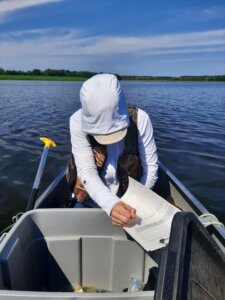
It gives us valuable information about the health of our water resources. We can find out if they meet the state’s standards for water quality and if the lakes and streams in the Rice Creek Watershed are in good condition. Monitoring also helps us find out where pollutants come from, especially when we use a network of monitoring sites. By figuring out the sources and amounts of pollutants, we can plan activities and projects to improve and fix any problems we find.
Data RCWD Collects
Basic Lake & Stream Observations
During the sample collection process, we gather valuable data by making essential observations about the water body, encompassing various parameters such as water temperature, pH, dissolved oxygen, odor, wildlife presence, stream discharge, and characteristics of the surrounding environment.
Phosphorous & Chlorophyll-a
Phosphorus, a nutrient essential for plant growth, can contribute to excessive algae growth when present in high concentrations. Chlorophyll-a serves as a key indicator of plant growth, specifically algae. Excessive algae can diminish water clarity and deplete oxygen levels, posing a threat to aquatic life. By monitoring and controlling phosphorus and Chlorophyll-a levels, we can effectively manage and mitigate the risks of harmful algal blooms.
Water Clarity
This measurement serves as a valuable indicator of water quality as it provides insights into the amount of suspended particles and algae present. Optimal water clarity is crucial for the growth and development of aquatic plants, as they require sufficient sunlight to thrive. By monitoring water clarity, we can gauge the health of aquatic ecosystems, identify potential issues such as excessive algal growth, and take appropriate measures to maintain or improve water quality.
Aquatic Life as an Indicator of Health
To support a thriving and diverse population of fish and invertebrates, it is essential for lakes and streams to have clean water, suitable habitats, and a good supply of food sources. By studying the well-being of fish and invertebrate populations, we can gain insights into the overall ecological balance of a water body, detect early signs of degradation, and take proactive measures to address problems affecting aquatic life.
How RCWD Monitors Water Quality
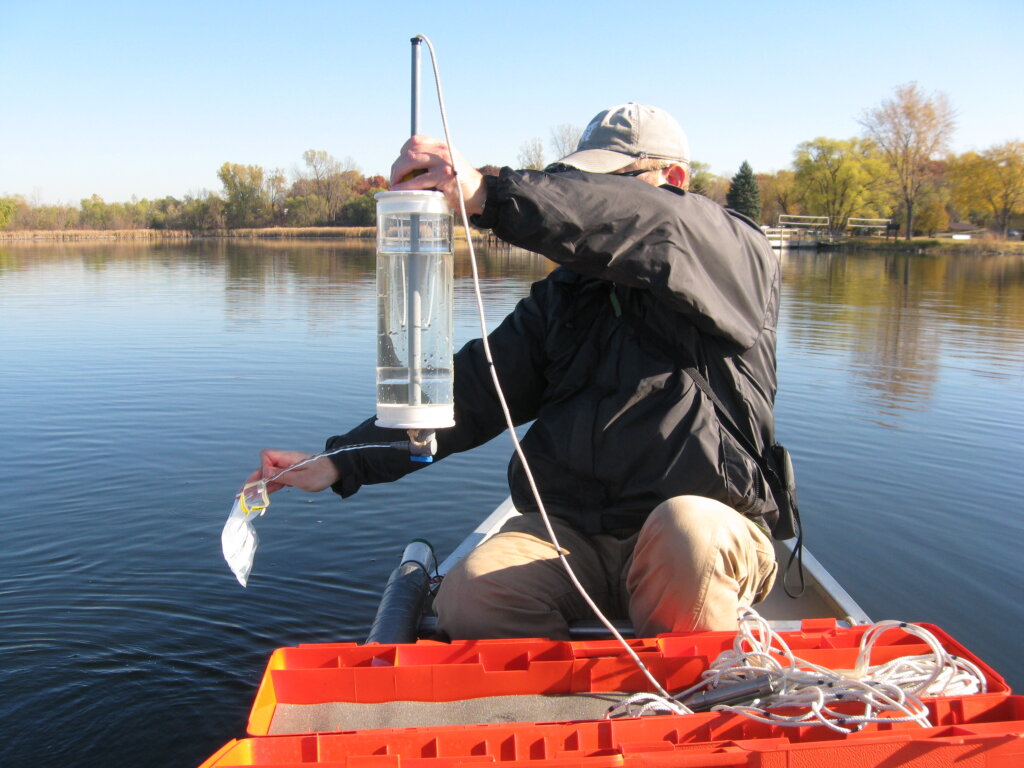
RCWD staff collect water samples from lakes and streams. RCWD measures several elements of water quality including phosphorus, nitrogen, chlorophyll (presence of algae), and Secchi Disk (transparency). Vertical depth profiles for each lake are also created, including temperature, dissolved oxygen, conductivity, and pH. Additionally, staff monitor streams for water quantity, aquatic habitat quality, and stream stability (bed and bank erosion).
Protecting Our Lakes While Wake Surfing/Wake boating
The Rice Creek Watershed District provides these “Safe Wake” maps (available as PDFs in Resource section below) to help lake users make informed decisions about wake surfing. Research from the University of Minnesota’s St. Anthony Falls Laboratory shows that wake boats, under certain conditions, can disturb lakebeds and shorelines, contributing to algae growth and reduced water clarity.
Key findings:
- All powerboats can disturb lakebed sediments.
- Wakeboats produce stronger turbulence, which can resuspend sediments and release nutrients like phosphorus, fueling algae blooms.
- Powerboats should operate in water at least 10 feet deep when cruising.
- Wakeboats should operate in water 20 feet or deeper and stay at least 500 feet from shore while surfing.
Operating in deeper water and away from shore helps protect lake health.
This information is provided for informational purposes only and is not intended for navigation.
Managing Carp to Improve Water Quality in RCWD
Common Carp Management Programs
Common carp are ubiquitous within the Rice Creek Watershed. Although natural resources managers have long known that carp have a negative impact on lake ecology and water quality, recent research has shed light on the magnitude and mechanisms of their impact. Additionally, new management tools have been developed and tested by the University of Minnesota and their many partners. With this information and promising new tools, common carp management has the potential to drastically improve ecological function and water quality in many lakes around the Rice Creek Watershed and Minnesota.
- Learn more about RCWD’s carp management program and efforts here: Managing Carp for Water Quality in RCWD StoryMap
- Learn more about invasive Carp fish species here: Minnesota Aquatic Invasive Species Research Center (MAISRC)
Aquatic Plants and Water Quality
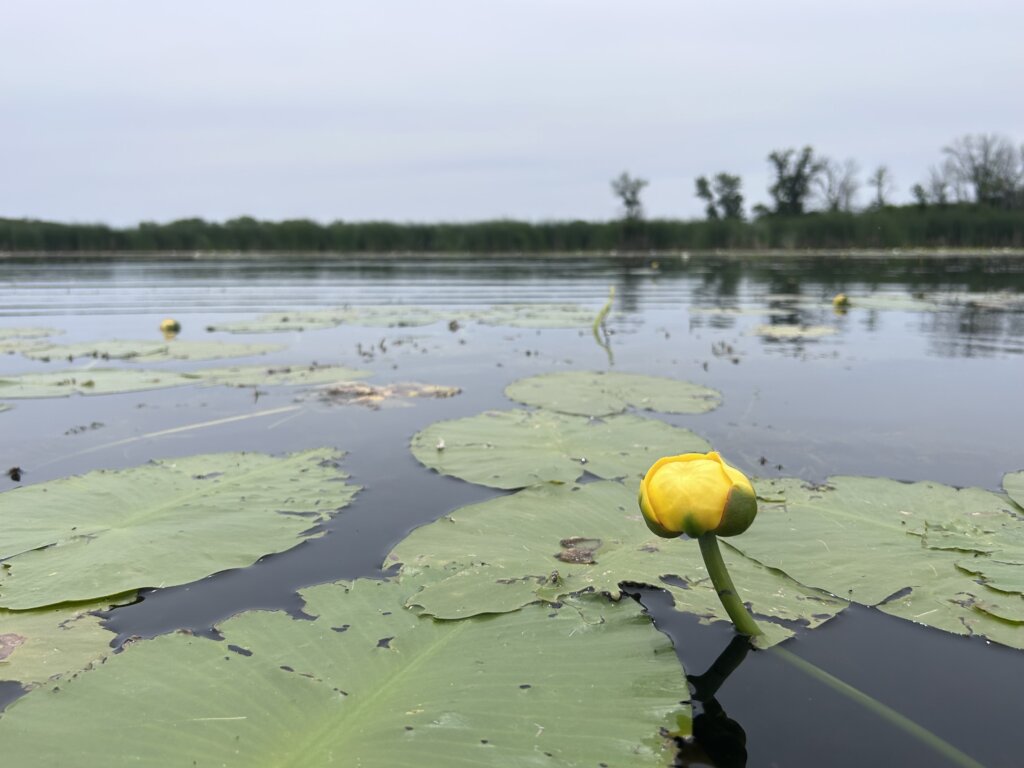
There are many lakes, especially shallow ones in RCWD. Shallow lakes have average depths typically less than 15 feet. They can have a very diverse range of aquatic vegetation, including emergent plants, submerged plants, and floating plants. It’s important to protect and restore these plant communities for good water quality and clarity.
Aquatic native plants play a vital role in maintaining and improving water quality in aquatic ecosystems. Their root systems help stabilize shorelines and prevent erosion, they help maintain water clarity, absorb excess nutrients such as nitrogen and phosphorus. These plants have fish and aquatic life benefits as well.
- Learn more about aquatic plants and their relation to water quality in RCWD here: Aquatic Plants in RCWD Storymap
- Learn more about Aquatic Native Plant Species here: Minnesota DNR Aquatic Plants
- Learn more about Aquatic Invasive Species (AIS) here: Minnesota Aquatic Invasive Species Research Center (MAISRC)
Other Tools to Measure Water Quality
Total Maximum Daily Load (TMDL)
TMDLs are one of the many tools RCWD uses to diagnose water quality issues in water bodies. RCWD has completed numerous TMDLs. TMDLs are comprehensive reports completed for water bodies in Minnesota to address and manage water pollution effectively. They provide a detailed assessment of the pollutants present in a water body and set specific limits or “loads” for each pollutant that can be discharged without compromising water quality. By identifying the major sources of pollution and establishing pollutant reduction goals, TMDLs help guide regulatory measures and best management practices to restore and maintain the health of water bodies.
- Current information about TMDLs within the Metro-Twin Cities Area including Rice Creek Watershed District at MPCA website.
Resources
PDF: RCWD’s Safe Wake Zone Maps
PDF: RCWD’s SHEP Report 2024-2025
PDF: 2022 RCWD Lake Water Quality Report Summary
Annual water quality report of lakes in the Rice Creek Watershed District.
PDF: 2022 Lake Report Card
A “report card” describing the health and water quality of all the lakes in the Rice Creek Watershed District.
Contact
For more information on monitoring activities and water quality in the Rice Creek Watershed District, please contact: